-
Koszyk jest pusty
-
x
Części i akcesoria do dronów – szybka wysyłka na terenie UE oraz do Ukrainy, sprawdzone komponenty, wsparcie techniczne.
-
Język

- Waluta: PLN
- Strefa klienta



-
Koszyk jest pusty
-
x
-
-
-
Koszyk jest pusty
-
x
Do bezpłatnej dostawy brakuje -,--Darmowa dostawa!Suma Netto 0 złSuma Brutto 0 złCena uwzględnia rabaty -
-
MATEKSYS CAN-L4-3100 Magnetometr DroneCAN z czujnikiem RM3100 dla UAV
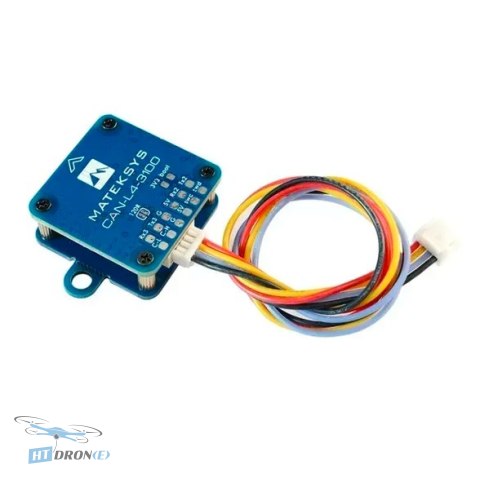
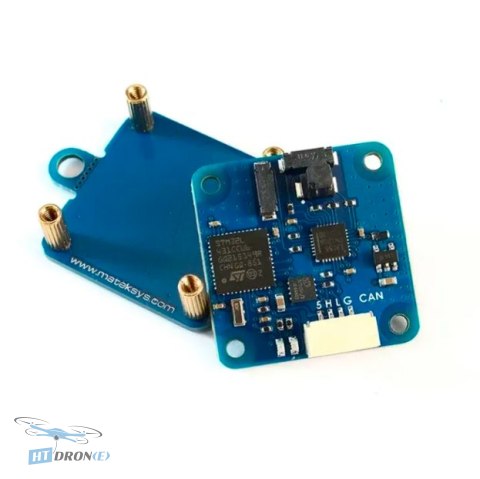
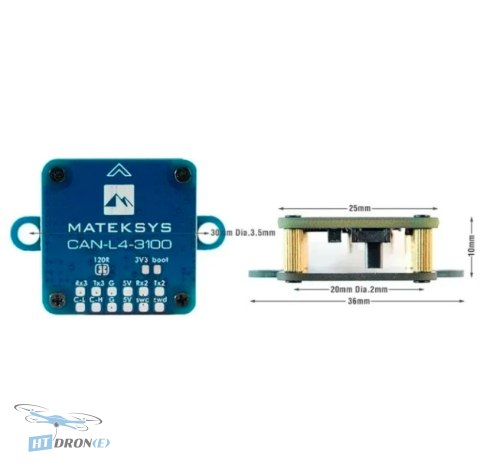
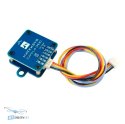
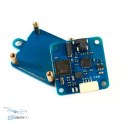
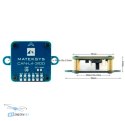
Wzmocnij system nawigacyjny swojego drona dzięki profesjonalnemu magnetometrowi MATEKSYS CAN-L4-3100! Ten moduł DroneCAN wykorzystuje zaawansowany czujnik RM3100, zapewniając precyzyjne dane kierunkowe odporne na zakłócenia. Idealny dla zaawansowanych użytkowników systemów FPV i UAV poszukujących niezawodności. Niskie zużycie energii i stabilna praca. Sprawdź najlepszą cenę w sklepie HTDRONE!
| Wpisz swój adres e-mail |
| Opinie | |
| Cena przesyłki | 30 |
| Dostępność |
|
| Zostaw telefon |
Wprowadzenie
Magnetometr MATEKSYS CAN-L4-3100 to zaawansowany moduł DroneCAN przeznaczony do precyzyjnego pomiaru kierunku geomagnetycznego w systemach nawigacyjnych bezzałogowych statków powietrznych (UAV). Zbudowany w oparciu o wysokiej klasy czujnik PNI RM3100, zapewnia odporność na zakłócenia i niezawodność danych, kluczowych dla stabilnego lotu i nawigacji autonomicznej. Jest to doskonały wybór dla wymagających hobbystów i profesjonalistów budujących własne drony FPV oraz platformy UAV.
Kluczowe zalety
- Precyzyjne dane kierunkowe dzięki zaawansowanemu czujnikowi RM3100.
- Odporność na zakłócenia elektromagnetyczne dla stabilnej pracy w trudnych warunkach.
- Interfejs DroneCAN (magistrala CAN) dla szybkiej i niezawodnej komunikacji.
- Możliwość opcjonalnej obsługi UART (MSP) dla większej elastyczności.
- Niskie zużycie energii (~22 mA) i szeroki zakres temperatur pracy (-40°C do +85°C).
- Preinstalowane oprogramowanie układowe ArduPilot AP_Periph dla łatwej integracji z popularnymi kontrolerami lotu.
- Kompaktowe wymiary (36x25x10 mm) i niska waga (6 g) idealne do zastosowań dronowych.
- W zestawie z kablem silikonowym JST-GH-4P dla szybkiego montażu.
Specyfikacje techniczne
- Zasilanie: 4,5-5,5 V (przez pad/pin 5 V)
- Pobór mocy: ~22 mA
- Temperatura pracy: od -40 °C do +85 °C
- MCU: STM32L431xC z pamięcią Flash 256 KB
- Element czujnika: czujnik geomagnetyczny PNI RM3100
- Wymiary: 36 x 25 x 10 mm
- Waga: 6 g
- Interfejsy komunikacyjne: CAN (protokół DroneCAN), UART2 (MSP), UART3 (GNSS), pady debugowania ST
Zastosowania
Magnetometr MATEKSYS CAN-L4-3100 znajduje zastosowanie w budowie i modernizacji bezzałogowych statków powietrznych, w tym dronów FPV, modeli wyścigowych, platform powietrznych do inspekcji, fotografii lotniczej oraz systemów wymagających precyzyjnej nawigacji i stabilizacji kierunku. Doskonale sprawdza się w projektach DIY oraz profesjonalnych aplikacjach UAV.
Kompatybilność
Moduł jest zasilany napięciem 4,5-5,5 V. Posiada interfejs DroneCAN (magistrala CAN) jako główny sposób komunikacji, a także dodatkowe interfejsy UART2 (MSP) i UART3 (GNSS). Preinstalowane oprogramowanie ArduPilot AP_Periph zapewnia kompatybilność z kontrolerami lotu obsługującymi te protokoły.
FAQ
Jaki jest główny cel magnetometru MATEKSYS CAN-L4-3100?
Głównym celem tego magnetometru jest dostarczanie precyzyjnych i odpornych na zakłócenia danych dotyczących kierunku geomagnetycznego dla systemów nawigacyjnych bezzałogowych statków powietrznych (UAV). Jest to kluczowe dla stabilnego lotu i nawigacji autonomicznej.
Z jakim protokołem komunikacyjnym współpracuje magnetometr MATEKSYS CAN-L4-3100?
Magnetometr CAN-L4-3100 współpracuje przede wszystkim z protokołem DroneCAN, wykorzystując interfejs magistrali CAN. Posiada również opcjonalną obsługę UART (MSP) dla większej elastyczności.
Dla jakich zastosowań polecany jest magnetometr MATEKSYS CAN-L4-3100?
Jest on szczególnie polecany do zaawansowanych zastosowań dronowych, takich jak budowa dronów FPV, platform UAV do inspekcji, fotografii lotniczej oraz systemów wymagających precyzyjnej nawigacji i stabilizacji kierunku. Idealny dla hobbystów i profesjonalistów.
Jakie są kluczowe parametry techniczne czujnika RM3100 zastosowanego w tym module?
Czujnik RM3100 charakteryzuje się wysoką rozdzielczością, szerokim zakresem dynamicznym oraz dużą odpornością na zakłócenia zewnętrzne, co zapewnia niezawodność pomiarów kierunku.
Gdzie mogę kupić magnetometr MATEKSYS CAN-L4-3100 z szybką dostawą do Polski?
Magnetometr MATEKSYS CAN-L4-3100 można kupić w sklepie HTDRONE. Oferujemy szybką dostawę na terenie Polski. Sprawdź naszą ofertę i zamów już dziś!