-
Shopping cart is empty
-
x
Drone parts and accessories – fast shipping across the EU and to Ukraine, reliable components, technical support.
-
Language

- Currency: EUR
- Customer zone


-
Shopping cart is empty
-
x
-
-
-
Shopping cart is empty
-
x
For free delivery are missing -,--Free delivery!Sum NETTO 0 €Sum Gross 0 €Price includes discounts -
- Categories
- Search
-
Best FPV VTX Antennas for Superior Video Transmission
Elevate your FPV experience with a high-performance VTX antenna from HTDRONE. We offer a premium selection of FPV video transmitter antennas designed to boost signal strength, improve video clarity, and reduce interference for both analog and digital FPV systems. Whether you're a seasoned racer, a freestyle pilot, or a long-range explorer, finding the right VTX antenna is crucial for uninterrupted, crystal-clear video feeds. Explore our range of trusted brands like CaddxFPV, Walksnail, RushFPV, TrueRC, GEPRC, and Foxeer, and discover the perfect antenna to maximize your drone's video performance. Shop now at HTDRONE for the best deals and fast delivery.

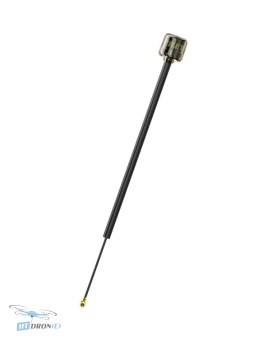
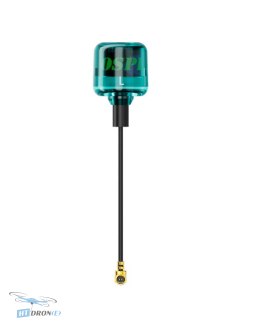
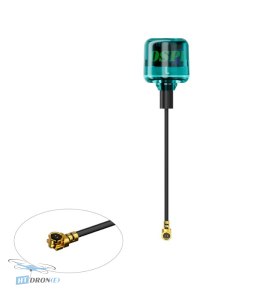



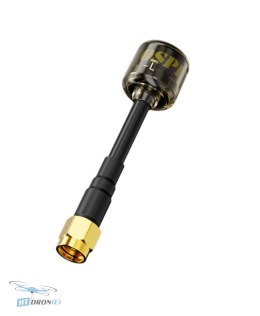

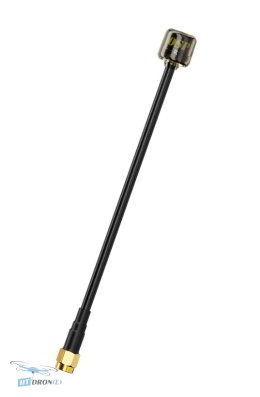
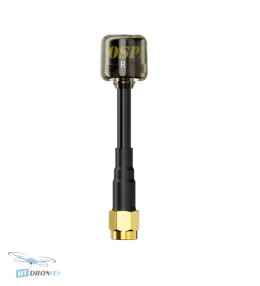
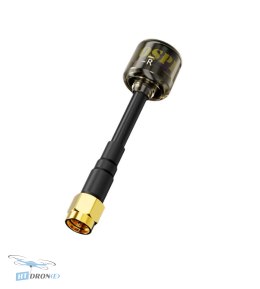
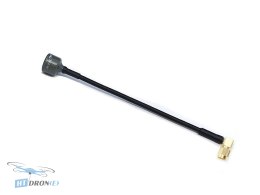
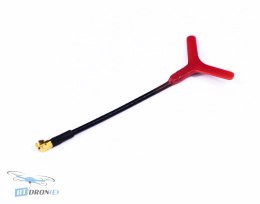
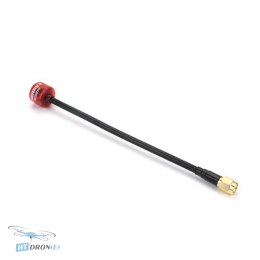
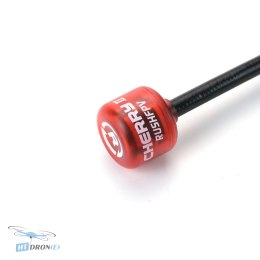
What are VTX Antennas?
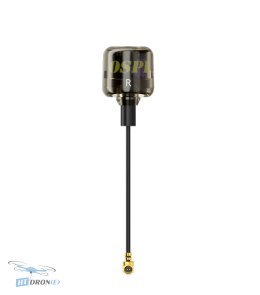
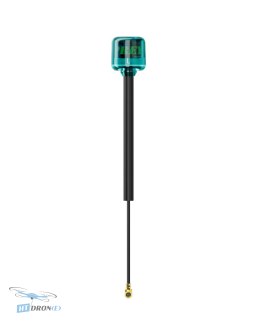
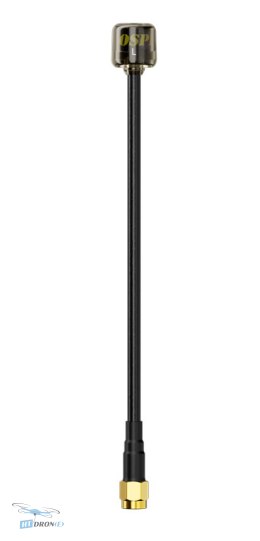
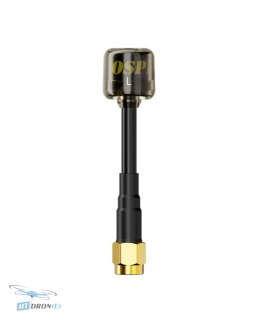
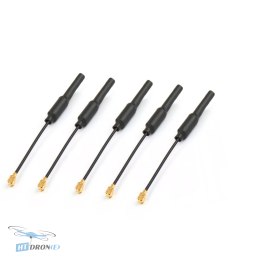
VTX antennas, or Video Transmitter antennas, are crucial components for any FPV (First Person View) drone. They are responsible for transmitting the video signal from your drone's camera and FPV system to your goggles or ground station receiver. The quality and type of VTX antenna directly impact the range, clarity, and stability of your video feed, making it a critical choice for pilots seeking the best possible FPV experience. At HTDRONE, we specialize in providing a comprehensive range of high-quality VTX antennas suitable for all types of FPV applications, from agile freestyle quads to long-range exploration rigs.
Key Information at a Glance
- Enhanced Video Signal: Achieve clearer, more stable FPV video feeds.
- Wide Brand Selection: Featuring top brands like CaddxFPV, Walksnail, RushFPV, TrueRC, GEPRC, and Foxeer.
- Connector Types: Available with UFL (IPEX) and SMA connectors for broad compatibility.
- Polarization Options: Choose between Left-Hand Circular Polarization (LHCP) and Right-Hand Circular Polarization (RHCP) for optimal performance.
- Frequency Bands: Primarily focused on the 5.8GHz band for FPV systems, with some dual-band options.
- Durable Construction: Built to withstand the rigors of FPV flying.
Key Parameters
Frequency Band
Most FPV VTX antennas operate on the 5.8GHz frequency band, which offers a good balance between bandwidth for high-quality video transmission and antenna size. Some advanced antennas may also support dual-frequency operation, such as 5.8GHz and 2.4GHz, for specific applications or to overcome interference.
Polarization (LHCP vs. RHCP)
Circular polarization is essential in FPV to combat multipathing interference, which occurs when radio waves bounce off surfaces. LHCP (Left-Hand Circular Polarization) and RHCP (Right-Hand Circular Polarization) antennas transmit signals in a specific rotational direction. It's critical that your VTX antenna and your receiver antenna (on your goggles or receiver) have the same polarization to ensure the best signal quality. Mismatched polarization can lead to significant signal loss and static.
Connector Type (UFL/IPEX vs. SMA)
The connector type determines how the antenna attaches to your VTX. UFL (also known as IPEX or MHF) connectors are very small and lightweight, commonly found on micro FPV components and digital VTX systems like the Caddx Vista or Walksnail Avatar. SMA connectors are larger, more robust, and often preferred for their durability and ease of connection/disconnection, especially on analog VTXs or when using antenna adapters. Ensure the connector matches your VTX.
Gain and Radiation Pattern
Antenna gain, often measured in dBi, indicates how well the antenna focuses its signal. Higher gain generally means a stronger signal in a specific direction, potentially increasing range. The radiation pattern describes the directionality of the antenna's signal. Patch antennas, for example, have a more directional beam compared to omnidirectional antennas like whips.
Comparison / How to Choose
Selecting the right FPV VTX antenna depends on your flying style and equipment. For digital systems like Walksnail Avatar or DJI O3 Air Unit, ensure compatibility with the specific connector (usually UFL) and polarization. For analog systems, consider the trade-off between range, durability, and size. If you fly in cluttered environments with many reflections, a high-quality circular polarized antenna (either LHCP or RHCP, matching your goggles) is essential. For long-range flying, antennas with higher gain or a more focused beam might be beneficial, but always ensure your goggles' receiver antenna matches polarization. Check product specifications carefully for connector type, frequency, and polarization before making a purchase.
Compatibility / Mounting / Integration
VTX antenna compatibility primarily revolves around the connector type (UFL/IPEX or SMA) and the polarization (LHCP/RHCP). Ensure the antenna's connector matches your VTX's output. For UFL connectors, it's advisable to use a pigtail cable for a more secure connection and to prevent damage to the VTX board. Mounting typically involves securing the antenna to your drone frame, often using zip ties or dedicated antenna mounts, ensuring it's positioned away from propellers and potential impact zones. Proper mounting is crucial for both signal integrity and antenna longevity.
Applications
FPV VTX antennas are fundamental for a wide array of drone applications. This includes FPV Racing, where clear, low-latency video is critical for navigating tight courses at high speeds. Freestyle FPV benefits from stable video feeds for performing complex aerial maneuvers. Long-Range FPV relies heavily on high-performance antennas to maintain a solid video link over extended distances. They are also integral to cinematic FPV filming, ensuring smooth, high-quality video capture. Furthermore, specialized antennas can be used in UAV operations for inspection, mapping, and surveillance, where reliable video transmission is paramount.
Price and Purchase
The price of FPV VTX antennas varies based on brand, technology, and performance. While basic analog antennas are generally more affordable, advanced digital system antennas or high-gain directional antennas come at a higher price point. At HTDRONE, we strive to offer competitive pricing across our entire range of VTX antennas. You can check the latest prices and deals directly on our product pages. We provide detailed product descriptions and specifications to help you make an informed decision. Order your next FPV VTX antenna from HTDRONE and benefit from our commitment to quality and customer satisfaction, with fast and reliable delivery options available.
Conclusions / Summary
For any FPV pilot looking to optimize their drone's video system, investing in a quality VTX antenna is a non-negotiable upgrade. Whether you're building a new drone or replacing an old antenna, HTDRONE offers a diverse selection to meet every need. Prioritize matching polarization with your receiver, select the correct connector type for your VTX, and consider your primary flying application. Browse our collection of top-tier VTX antennas from leading manufacturers and experience the difference a superior video link can make. Check out our current offers and buy the best FPV VTX antenna for your setup today at HTDRONE.