-
Shopping cart is empty
-
x
Drone parts and accessories – fast shipping across the EU and to Ukraine, reliable components, technical support.
-
Language

- Currency: EUR
- Customer zone



-
Shopping cart is empty
-
x
-
-
-
Shopping cart is empty
-
x
For free delivery are missing -,--Free delivery!Sum NETTO 0 €Sum Gross 0 €Price includes discounts -
-
BAYCK ELRS 2.4 Nano Receiver for FPV Drones
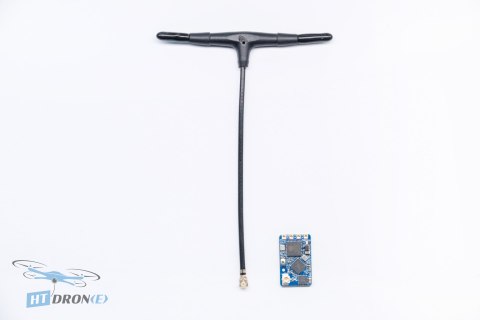
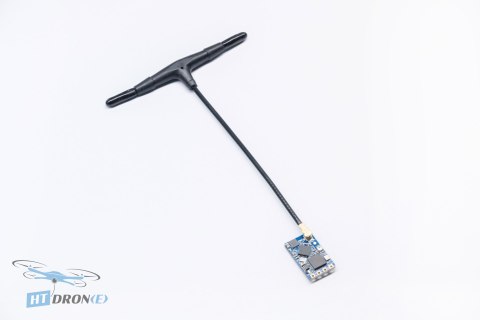
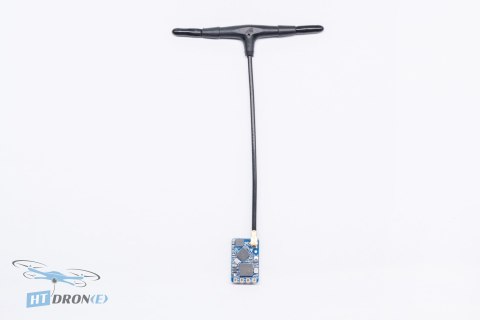
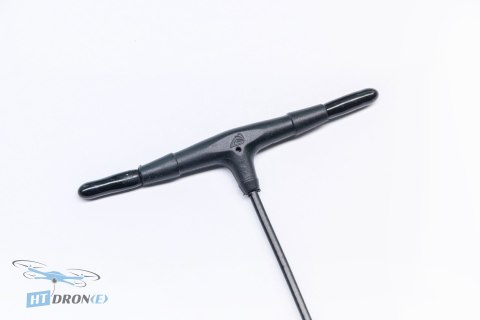

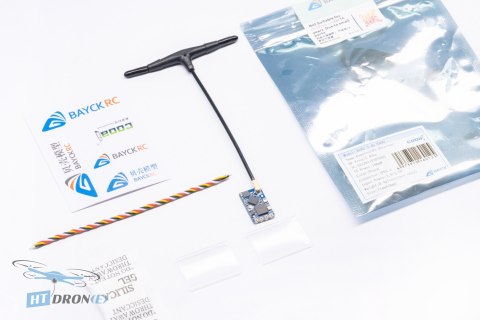






Upgrade your FPV drone with the compact BAYCK ELRS 2.4 Nano Receiver. Operating on the 2.4 GHz frequency with the robust ExpressLRS protocol, it delivers reliable, low-latency signal reception for long-range control. Its nano size and lightweight design (0.6g) ensure easy installation and minimal impact on flight performance, making it ideal for FPV racing and freestyle builds. Check the best deal for reliable FPV connectivity at HTDRONE.
70.00
| Reviews | |
| Price of consignment | 35 |
| The Availability Of |
|
Order by phone+48 666132049
| Leave your phone |
Introduction
The BAYCK ELRS 2.4 Nano Receiver is a high-performance, compact receiver designed specifically for FPV drones. It utilizes the 2.4 GHz frequency band and the advanced ExpressLRS protocol to provide a stable, low-latency connection, crucial for precise control in dynamic FPV flying. This receiver is engineered for pilots seeking reliable long-range performance without compromising on weight or size, making it a top choice for competitive racers and freestyle enthusiasts.
Key advantages
- Reliable Long-Range Connectivity: Powered by the ExpressLRS protocol for stable signal transmission over extended distances.
- Low Latency Performance: Ensures immediate response to your commands, vital for FPV racing and aggressive freestyle maneuvers.
- Ultra-Compact Nano Size: Measuring just 11mmx18mmx3mm, it fits easily into tight FPV drone builds.
- Extremely Lightweight: Weighing only 0.6g, it adds minimal load to your drone, preserving flight efficiency and agility.
- 2.4 GHz Frequency Operation: Leverages a widely used and effective frequency band for FPV control.
- Easy Integration: Features an IPEX1 antenna connector for straightforward setup.
- Quality Construction: Built with reliable components like the ESP8285 MCU and SX1281 RF chip.
Technical specifications
- Brand: BAYCK
- Model: ELRS 2.4G-NANO RX
- MCU: ESP8285
- RF Chip: SX1281
- Telemetry Power: 20dBm
- Operating Voltage: 5V
- Weight: 0.6g (receiver only)
- Dimensions: 11mm x 18mm x 3mm
- Antenna Connector: IPEX1
Applications
This receiver is perfectly suited for a wide range of FPV applications, including high-speed drone racing, dynamic freestyle flying, cinematic FPV, and general UAV operations where a stable and responsive control link is paramount. Its small size and light weight also make it ideal for smaller drone builds.
Compatibility
The BAYCK ELRS 2.4 Nano Receiver operates on a 5V supply voltage and uses an IPEX1 connector for the antenna. It is designed to work with systems utilizing the ExpressLRS protocol.
FAQ
What is the BAYCK ELRS 2.4 Nano Receiver?
The BAYCK ELRS 2.4 Nano Receiver is a compact and high-performance receiver designed for FPV drones. It operates on the 2.4 GHz frequency using the ExpressLRS protocol, offering reliable, low-latency, and long-range signal reception.
What are the key technical specifications of the BAYCK ELRS 2.4 Nano Receiver?
Key specs include an ESP8285 MCU, SX1281 RF chip, 20dBm telemetry power, 5V operating voltage, a weight of only 0.6g, and dimensions of 11mmx18mmx3mm. It features an IPEX1 antenna connector.
Who is the BAYCK ELRS 2.4 Nano Receiver best suited for?
This receiver is ideal for FPV pilots involved in drone racing and freestyle flying who require a reliable, low-latency connection with long-range capabilities. Its nano size and light weight also make it suitable for smaller drone builds.
Where can I buy the BAYCK ELRS 2.4 Nano Receiver with fast delivery?
You can buy the BAYCK ELRS 2.4 Nano Receiver at HTDRONE, your specialized FPV drone parts store. We offer fast delivery within Poland and reliable international shipping options.
What makes the ExpressLRS protocol beneficial for FPV drones?
The ExpressLRS protocol provides a robust, long-range connection with significantly lower latency compared to many older protocols. This enhances control precision and reliability, especially during demanding FPV flights.