• Categories
  • Search
  • Best FPV Analog Cameras for Drones

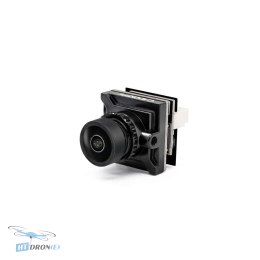
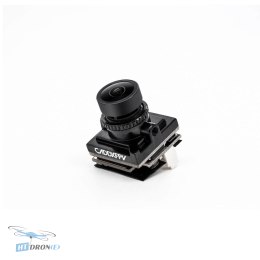
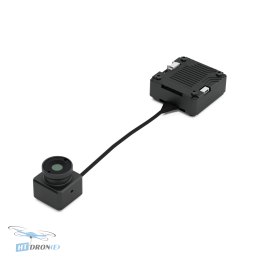
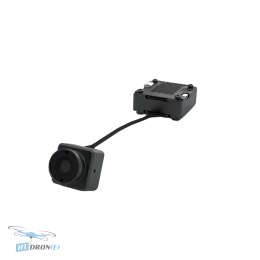
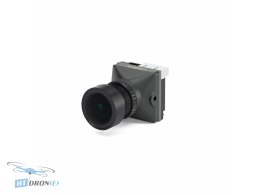
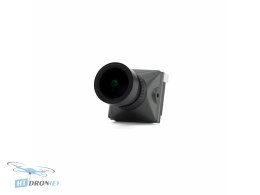
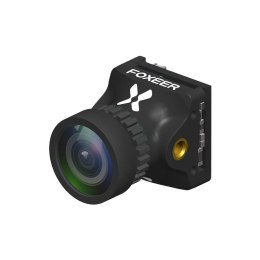
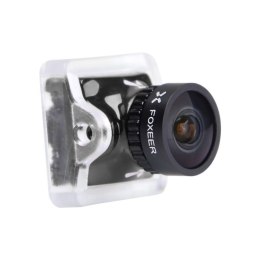
Elevate your FPV experience with top-tier analog cameras from HTDRONE. We offer a curated selection of high-performance FPV analog cameras from leading brands like RunCam, CaddxFPV, and Foxeer. Perfect for drone racing, freestyle, and cinematic FPV flights, these cameras deliver crisp video feeds for precise control and immersive flight. Explore our collection and find the best analog FPV camera to match your drone build and flying style. Fast shipping available from HTDRONE, your trusted FPV parts specialist.

FPV Analog Cameras

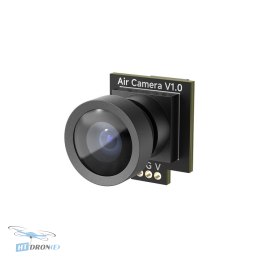
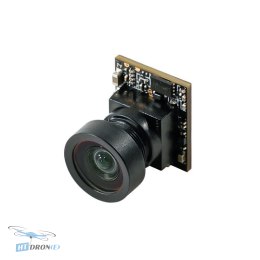
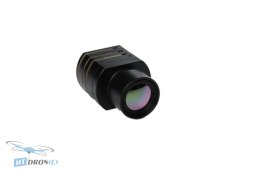
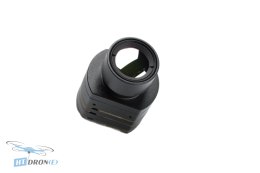
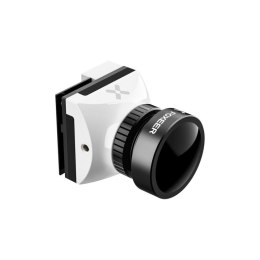
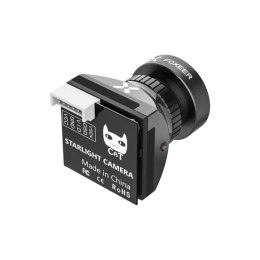
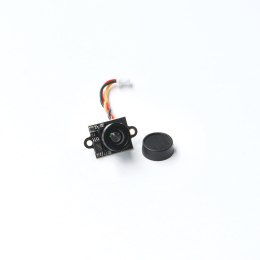
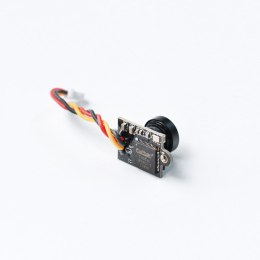
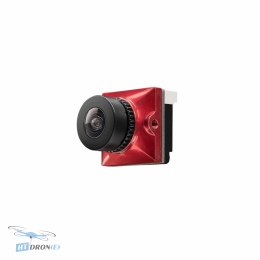
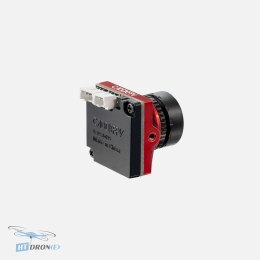
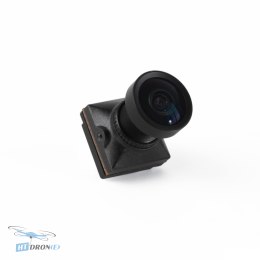
FPV analog cameras are the eyes of your drone, transmitting real-time video feeds to your goggles. For FPV pilots, especially in racing and freestyle disciplines, analog systems offer a cost-effective and reliable solution with low latency, crucial for split-second maneuvers. This category at HTDRONE features a wide array of analog FPV cameras designed for various drone sizes and performance needs, from ultra-light micro cameras for tiny whoops to robust options for larger quads.

Key Information at a Glance

  • Low Latency: Essential for real-time FPV control and competitive racing.
  • Wide Compatibility: Easily integrate with most FPV VTXs and goggles.
  • Durable Designs: Built to withstand the rigors of FPV flying.
  • Variety of Sizes: From micro and nano for small drones to standard sizes for larger builds.
  • Image Quality Options: Choose from various resolutions and low-light performance levels.
  • Cost-Effective: Generally more affordable than digital FPV camera systems.

Key Parameters

When selecting an FPV analog camera, several technical specifications are critical for optimal performance:

Resolution (TVL)

Measured in TV Lines (TVL), this indicates the camera's horizontal resolution. Higher TVL generally means a sharper, more detailed image. Common values range from 600TVL to over 1200TVL. For FPV racing, clarity is key to spotting gates and obstacles.

Sensor Size

The physical size of the image sensor affects light gathering capabilities and field of view. Common sizes include 1/3", 1/3.2", and 1/4". Smaller sensors are often found in micro cameras.

Field of View (FOV)

FOV determines how wide an area the camera can see. It's usually expressed in degrees (e.g., 150°, 170°). A wider FOV provides a more immersive experience and better situational awareness, crucial for FPV flying.

Low Light Performance (Lux)

Indicates how well the camera performs in low-light conditions. A lower Lux rating (e.g., 0.01 Lux or 0.001 Lux) means the camera can see in near darkness. This is vital for flying at dawn, dusk, or indoors.

Aspect Ratio

Commonly 16:9 (widescreen) or 4:3 (more square). 16:9 offers a wider view, while 4:3 can provide a taller, more detailed vertical image, often preferred by some racers for better gate visibility.

Latency

The delay between capturing an image and transmitting it. For FPV, ultra-low latency is paramount. Analog systems typically excel here, offering minimal delay.

Comparison / How to Choose

Choosing the right FPV analog camera depends on your drone type and flying style. For racing quads, prioritize low latency, high TVL, and a wide FOV. Freestyle pilots might prefer a balance of image quality and durability. For smaller drones like Tiny Whoops, look for lightweight micro or nano cameras with integrated mounting solutions. Consider cameras with good low-light performance if you plan to fly in varied lighting conditions. Brands like RunCam, CaddxFPV, and Foxeer offer excellent options catering to different needs and budgets. Check product reviews and specifications carefully to find the best fit for your setup.

Compatibility / Mounting / Integration

Most FPV analog cameras use standard mounting patterns (e.g., 20x20mm or 25.5x25.5mm) or are designed to fit specific drone frames. Ensure the camera's voltage input range is compatible with your drone's power distribution board or flight controller. The video output signal needs to be compatible with your FPV transmitter (VTX). Many cameras come with standard JST connectors for power and video, simplifying installation. Always check the camera's dimensions and weight against your frame's limitations.

Applications

FPV analog cameras are primarily used in:

  • FPV Drone Racing: Providing a clear, low-latency video feed for competitive flying.
  • FPV Freestyle: Enabling dynamic and acrobatic flight maneuvers with precise control.
  • Cinematic FPV: Capturing smooth, immersive aerial footage.
  • Drone Training: Ideal for beginners learning to fly FPV due to their affordability and ease of use.
  • UAV/Industrial Applications: Used in some specialized drone applications where real-time video is needed.
  • Night Flying: Specialized cameras with excellent low-light performance enable night FPV sessions.

Price and Purchase

FPV analog cameras at HTDRONE offer excellent value, with prices typically ranging from affordable options for beginners to premium models for professionals. We provide competitive pricing on top brands like RunCam, CaddxFPV, and Foxeer. You can easily compare prices and features on our website. Order your FPV analog camera today and benefit from fast shipping within Poland and reliable delivery options to Ukraine and worldwide. Check our deals for the best FPV camera prices!

Conclusions / Summary

For pilots seeking reliable, low-latency video transmission for FPV racing, freestyle, or general drone flying, analog cameras remain a superb choice. HTDRONE offers a comprehensive selection, from compact micro cameras to high-performance models, ensuring you can find the perfect fit for any FPV build. Consider your specific needs regarding resolution, FOV, low-light capability, and size when making your selection. Buy with confidence from HTDRONE, knowing you're getting quality FPV analog cameras with excellent support and fast delivery.