• Categories
  • Search
  • FPV Drone Receivers: Your Ultimate Selection at HTDRONE

Equip your FPV drone with the best radio control receivers available at HTDRONE. We offer a wide range of cutting-edge receivers from leading brands like TBS, GEPRC, RadioMaster, and BETAFPV, designed for optimal performance, reliability, and range. Whether you're building a high-speed FPV racer, a long-range exploration rig, or a cinematic FPV drone, finding the right receiver is crucial for a stable and responsive connection. Explore our selection of ELRS, Crossfire, and other advanced receiver technologies to ensure your drone flies exactly as you intend. Shop at HTDRONE for quality components and get your FPV setup flying with confidence.

What are FPV Drone Receivers?

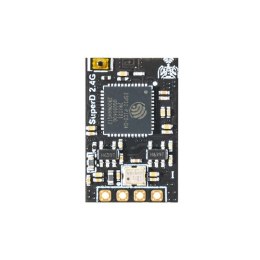
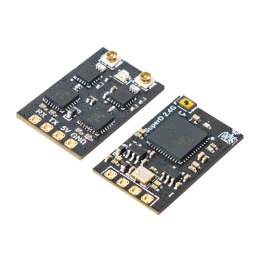
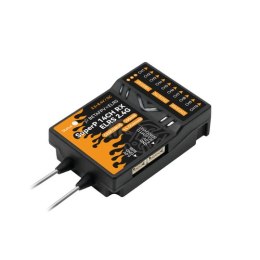
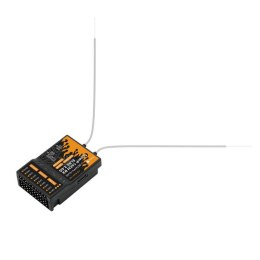
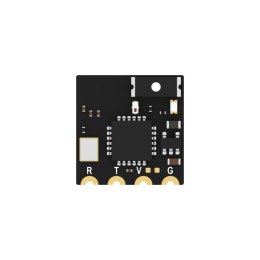
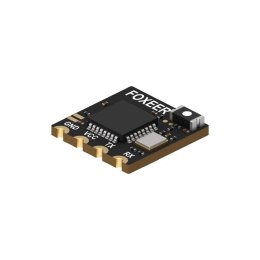
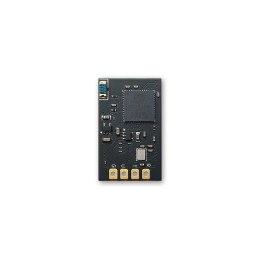
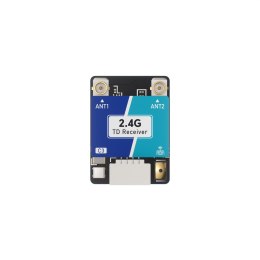
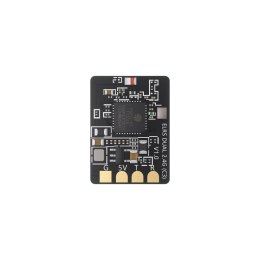
FPV drone receivers are essential components in any radio-controlled aircraft, particularly in the demanding world of First Person View (FPV) flying. They are responsible for receiving the control signals transmitted by your radio controller (transmitter) and relaying them to your drone's flight controller. The quality and type of receiver directly impact your drone's responsiveness, control range, and resistance to interference. At HTDRONE, we specialize in high-performance receivers tailored for FPV applications, ensuring a robust and reliable link between you and your drone.

Key Information at a Glance

  • Wide Brand Selection: Featuring top brands like TBS, GEPRC, RadioMaster, and BETAFPV.
  • Advanced Protocols: Including ExpressLRS (ELRS), Crossfire, FrSky D16/D8, and more.
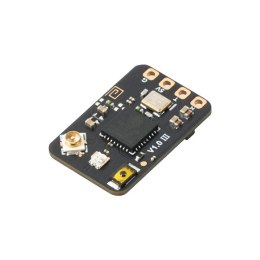
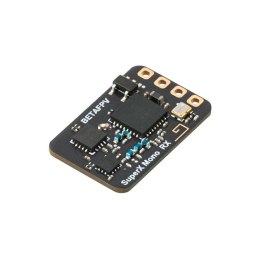
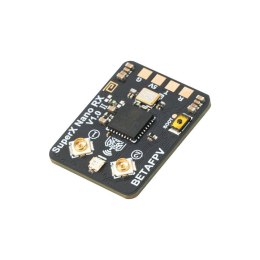
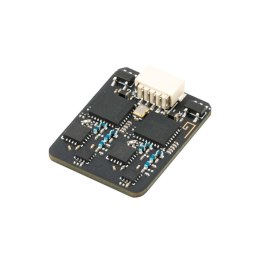
  • Form Factors: Options range from ultra-light Nano receivers to diversity units for enhanced signal reception.
  • Versatile Connectivity: Supporting various output protocols like PWM, PPM, SBUS, and CRSF.
  • Reliable Performance: Designed for long range, low latency, and strong anti-interference capabilities.
  • Direct from Poland: Fast shipping within Poland and reliable international delivery via DHL.

Key Parameters

Frequency Bands

Receivers operate on specific radio frequency bands. The most common for FPV are 2.4GHz (widely used, good balance of range and latency) and 868/915MHz (used by systems like ExpressLRS and TBS Crossfire, offering superior penetration and range, especially in challenging environments).

Protocols

The communication protocol between your transmitter and receiver is critical. Popular protocols include:

  • ExpressLRS (ELRS): An open-source, high-performance RC link system known for its long range, low latency, and affordability. Available in various frequency options (2.4GHz and 868/915MHz).
  • TBS Crossfire: A proprietary long-range, highly reliable RF system from TBS, operating in the 868/915MHz band, known for its robustness and advanced features.
  • FrSky Protocols (D8, D16, LBT): Common protocols used by FrSky transmitters and receivers, offering various features and range capabilities.
  • PWM/PPM/SBUS: These refer to the output signal type from the receiver to the flight controller. SBUS is generally preferred for FPV due to its single-wire simplicity and low latency.

Antenna Type

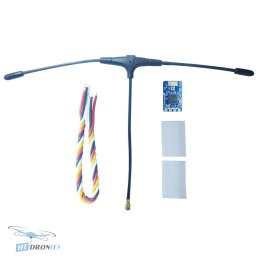
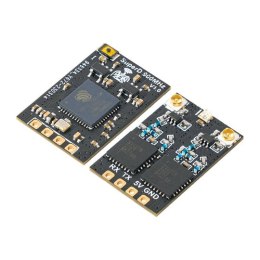
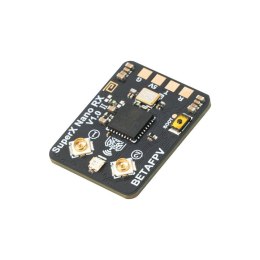
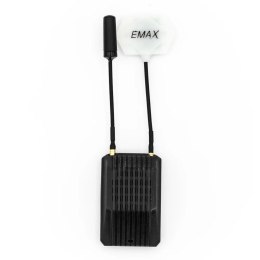
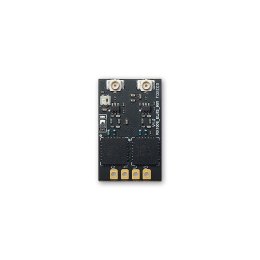
The antenna is crucial for signal reception. Common types include linear antennas (like T-antennas) and diversity antennas. Diversity systems use two or more antennas and automatically select the best signal, significantly improving reliability, especially at range or in complex RF environments.

Size and Weight

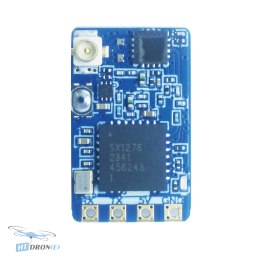
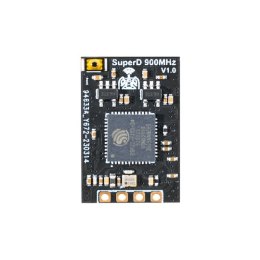
For FPV drones, especially racing and freestyle quads, size and weight are critical. Nano and smaller form-factor receivers are popular for their minimal impact on the drone's overall weight and dimensions.

Comparison / How to Choose

Selecting the right FPV drone receiver depends on your specific needs and existing radio system. Consider these factors:

  • Existing Transmitter Module: Ensure your transmitter module (e.g., ELRS, Crossfire, FrSky) is compatible with the receiver's protocol.
  • Range Requirements: For long-range flying, ELRS or Crossfire operating on 868/915MHz are excellent choices. For typical FPV racing and freestyle, 2.4GHz ELRS or FrSky receivers can suffice.
  • Latency Sensitivity: FPV racers and freestylers benefit from low-latency protocols like ELRS and Crossfire.
  • Drone Size/Weight: Smaller drones require smaller, lighter receivers like Nano form-factor ELRS or TBS Crossfire Nano receivers.
  • Interference: In noisy RF environments or areas with many other pilots, diversity receivers or systems with strong anti-interference capabilities (like Crossfire) are advantageous.

Compatibility / Mounting / Integration

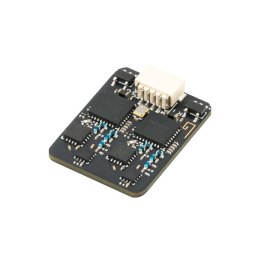
Ensure the receiver's output protocol (SBUS, CRSF, PWM, etc.) is compatible with your flight controller's input. Most modern flight controllers support multiple protocols, often configurable via Betaflight, EmuFlight, or similar firmware. Pay attention to the receiver's mounting footprint and antenna placement to avoid damage and ensure optimal reception. Many Nano receivers use standard 3-pin JST connectors or can be directly soldered to flight controller pads.

Applications

FPV drone receivers are fundamental for a wide range of unmanned aerial vehicle applications:

  • FPV Racing: Low latency and high reliability are paramount for quick reaction times and avoiding crashes.
  • FPV Freestyle: Precise control and a stable connection are needed for complex aerial maneuvers.
  • Long-Range Exploration: Extended range and robust signal penetration are crucial for flying far from the pilot.
  • Cinematic FPV: Smooth, reliable control ensures stable footage capture.
  • Drone Inspection & Surveying: Dependable control for precise flight paths in professional applications.
  • DIY Drone Builds: Essential for custom-built drones of all types.

Price and Purchase

The price of FPV drone receivers varies based on brand, technology, and features. Entry-level FrSky receivers might be more budget-friendly, while advanced systems like TBS Crossfire or high-performance ELRS modules represent a significant investment in control link quality. At HTDRONE, we strive to offer competitive prices on all our FPV receiver options. Check our current deals and promotions to buy the best receiver for your build. We provide fast, reliable shipping within Poland and worldwide via DHL, ensuring you get your parts quickly.

Conclusions / Summary

FPV drone receivers are critical for a successful and enjoyable flying experience. Whether you prioritize ultra-low latency for racing, maximum range for exploration, or robust reliability for professional use, HTDRONE has the best selection of receivers to meet your needs. Brands like GEPRC, RadioMaster, BETAFPV, and TBS offer cutting-edge technology. Consider your transmitter compatibility, desired range, and drone size when making your purchase. Browse our extensive collection today and order the perfect receiver to elevate your FPV drone's performance.