-
Shopping cart is empty
-
x
Drone parts and accessories – fast shipping across the EU and to Ukraine, reliable components, technical support.
-
Language

- Currency: EUR
- Customer zone


-
Shopping cart is empty
-
x
-
-
-
Shopping cart is empty
-
x
For free delivery are missing -,--Free delivery!Sum NETTO 0 €Sum Gross 0 €Price includes discounts -
- Categories
- Search
-
Best FPV VTX Transmitters for Drones
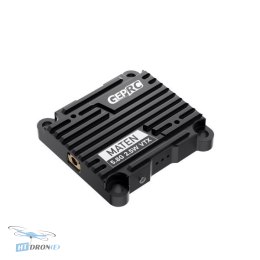
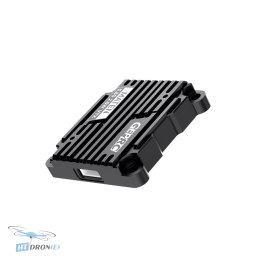
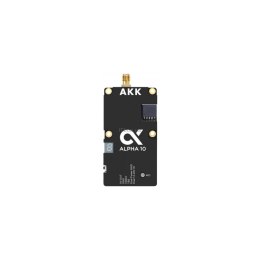
Elevate your FPV experience with the latest VTX (Video Transmitters) from HTDRONE. We offer a wide selection of high-performance 5.8GHz VTX units designed for crystal-clear, low-latency video transmission. Whether you're building a high-speed racing drone, a cinematic FPV rig, or a reliable freestyle quadcopter, find the perfect VTX to match your needs. Check out top brands like GEPRC, SpeedyBee, Walksnail, and RushFPV. Shop now at HTDRONE for the best deals and fast delivery across Poland and worldwide.
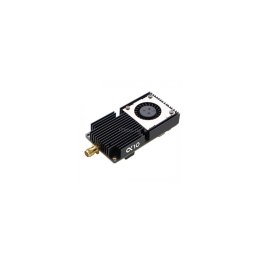
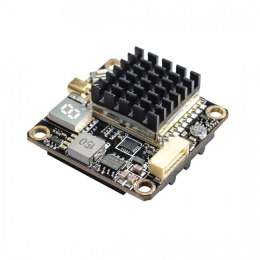
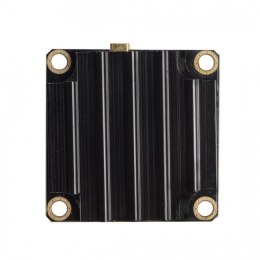
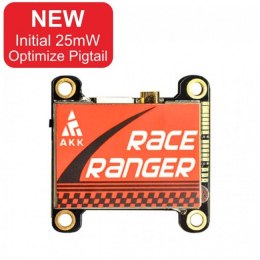
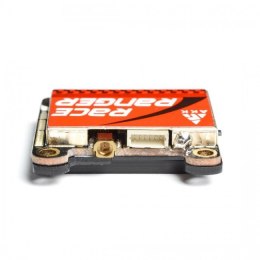
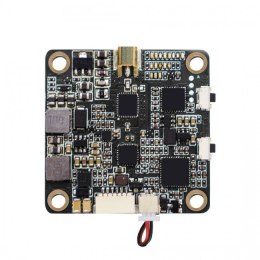
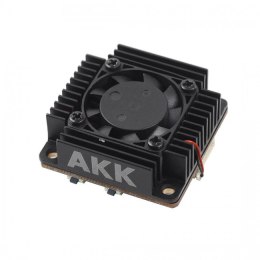
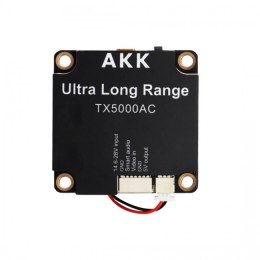
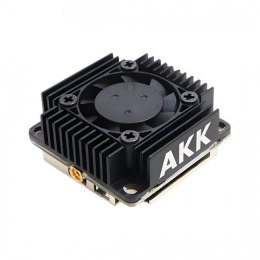
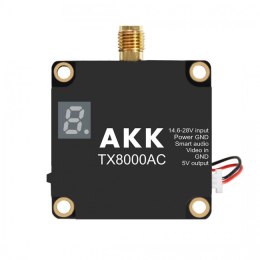
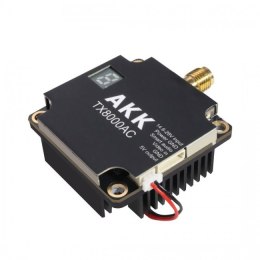
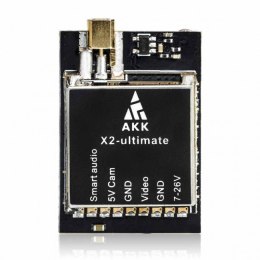
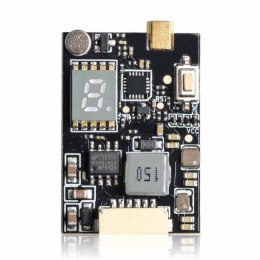
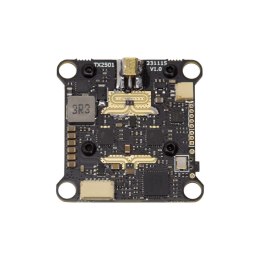
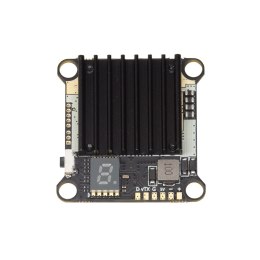
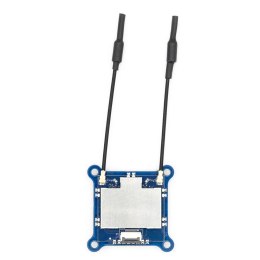
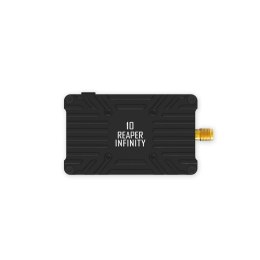
FPV VTX Transmitters Explained
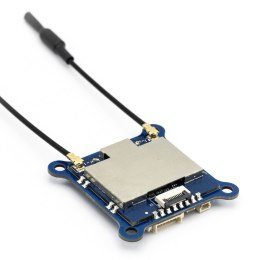
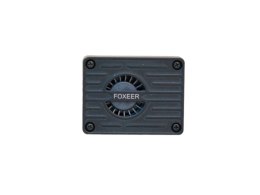
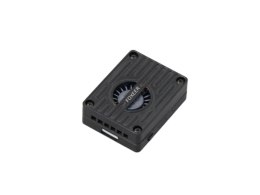
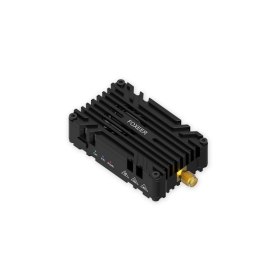
FPV VTX (Video Transmitter) units are the heart of your drone's video system, responsible for sending the live video feed from your drone's camera to your FPV goggles or monitor. In the world of FPV (First Person View), a reliable and high-quality VTX is crucial for an immersive and responsive flying experience. This category features a diverse range of 5.8GHz VTX modules, from compact analog transmitters perfect for lightweight builds to powerful digital HD systems offering unparalleled video clarity. Whether you are a seasoned FPV pilot or just starting your journey, HTDRONE provides the essential components to get you flying with confidence. Explore top-tier products from leading manufacturers and ensure your FPV setup delivers the best possible video signal.
Key Information at a Glance
- Wide Power Output Options: Choose from low-power VTXs for indoor drones to high-power units for extended range FPV flights.
- Analog & Digital Systems: Select between traditional analog VTXs for affordability and low latency, or advanced digital HD systems for superior image quality.
- Compact & Lightweight Designs: Many VTXs are designed for smaller builds like whoops and micro drones, minimizing weight and size.
- Reputable Brands: We stock VTXs from trusted manufacturers including GEPRC, SpeedyBee, Walksnail, RushFPV, Foxeer, iFlight, Jhemcu, ATOMRC, and Happymodel.
- Frequency Bands: Primarily featuring 5.8GHz transmitters, optimized for FPV use with a balance of penetration and range.
- Easy Integration: Designed for straightforward installation and connection with FPV cameras and flight controllers.
Key Parameters
Power Output (mW/W)
The power output determines the range and signal strength of your VTX. Higher wattage (e.g., 1W, 1.6W, 2.5W, 5W) generally means longer range and better signal penetration through obstacles, but also increased heat generation and power consumption. Lower power settings (e.g., 25mW, 200mW, 400mW, 800mW) are suitable for shorter flights, indoor use, or situations where you need to comply with local regulations. Many VTXs offer switchable power levels, allowing you to adapt to different flying environments.
Frequency Band & Channels
Most FPV VTXs operate on the 5.8GHz frequency band, which offers a good balance between range and antenna size. This band is divided into several channels and bands (like Race Band) to minimize interference from other FPV pilots. Digital systems, such as Walksnail Avatar, operate on proprietary digital frequencies to ensure a clear, high-definition signal. Always check local regulations regarding allowed frequencies and power outputs.
Video System (Analog vs. Digital)
Analog VTXs are the long-standing standard in FPV, known for their low latency, affordability, and wide compatibility. They offer a good performance-to-price ratio, making them ideal for beginners and budget-conscious racers. Digital HD VTXs, like those from Walksnail, offer significantly clearer and more detailed video feeds, often with higher resolutions. While typically more expensive and potentially having slightly higher latency (though rapidly improving), they provide a much more immersive visual experience, especially for cinematic FPV or pilots who prioritize image quality.
Form Factor & Size
VTX units come in various sizes to suit different drone builds. Standard-sized VTXs are common for 5-inch freestyle and racing quads. Smaller 'Mini' or 'Micro' versions are designed for 3-inch or 2.5-inch builds, while 'Whoop' style VTXs are extremely compact and lightweight, perfect for tiny whoop drones. Choosing the right form factor ensures a clean build and optimal weight distribution.
Comparison / How to Choose
Selecting the right FPV VTX depends on your specific needs and drone build. For racing and freestyle drones, low latency is paramount, making analog VTXs with switchable power outputs (like 25mW to 800mW or higher) a popular choice. Consider the size and weight to fit your frame. For cinematic FPV or long-range flights, a higher power output and potentially a digital HD system like the Walksnail Avatar series might be preferable for superior image quality and a more immersive experience, though ensure you have adequate cooling and battery life. For tiny whoop drones, prioritize ultra-lightweight and small VTXs with lower power outputs (e.g., 25mW-200mW) to conserve battery and avoid overheating. Always check the VTX's channel compatibility with your FPV goggles and comply with local RF regulations.
Compatibility / Mounting / Integration
Most FPV VTXs are designed to be compatible with standard FPV camera connectors (like JST GH 1.25mm or similar) and flight controller UART ports for control (e.g., SmartAudio or Tramp protocol). Ensure the VTX's voltage input matches your drone's power system (typically 5V or a range like 7-24V). Mounting is usually achieved via M2 or M3 screws, with many VTXs including mounting holes. Proper antenna connection (SMA or RP-SMA) is crucial – always use an antenna when powering up the VTX to prevent damage from reflected power. Digital systems may require specific receivers and goggles designed for that ecosystem.
Applications
FPV VTXs are essential for a wide array of drone applications. They are fundamental for FPV drone racing, providing the real-time video feed needed for navigating complex tracks at high speeds. Freestyle FPV piloting relies on VTXs for dynamic aerial maneuvers and creative filming. Cinematic FPV drones utilize high-quality VTXs, often digital systems, to capture breathtaking aerial footage. Long-range exploration and FPV flights also depend on powerful VTXs with clear signal transmission. While primarily used in the hobby sector, the technology also finds applications in professional UAVs for inspections, monitoring, and situational awareness where real-time video feedback is critical.
Price and Purchase
The price of FPV VTXs varies significantly based on features, power output, and whether it's an analog or digital system. Analog VTXs generally range from affordable options suitable for beginners to more advanced models with higher power and features. Digital HD VTX systems, offering superior video quality, typically represent a higher investment. At HTDRONE, we strive to offer competitive prices on a wide selection of VTXs from leading brands. Check our current deals and promotions to find the best value for your next FPV build. Order your VTX today and benefit from our fast shipping services within Poland and reliable international delivery options.
Conclusions / Summary
FPV VTXs are a critical component for any FPV drone. Whether you prioritize low latency for racing, crystal-clear HD video for cinematic shots, or simply a reliable connection for freestyle flying, the VTX is key. HTDRONE offers a comprehensive range of 5.8GHz analog and digital VTX transmitters to suit every pilot's needs and budget. Consider your drone's size, intended use, and desired video quality when making your selection. Browse our collection, compare top brands, and buy the best FPV VTX for your setup to ensure an unparalleled flying experience.